Light for a Fall semester, but thank goodness, because there was so much going on in my personal life, that fitting anything else in would have been impossible 🙃
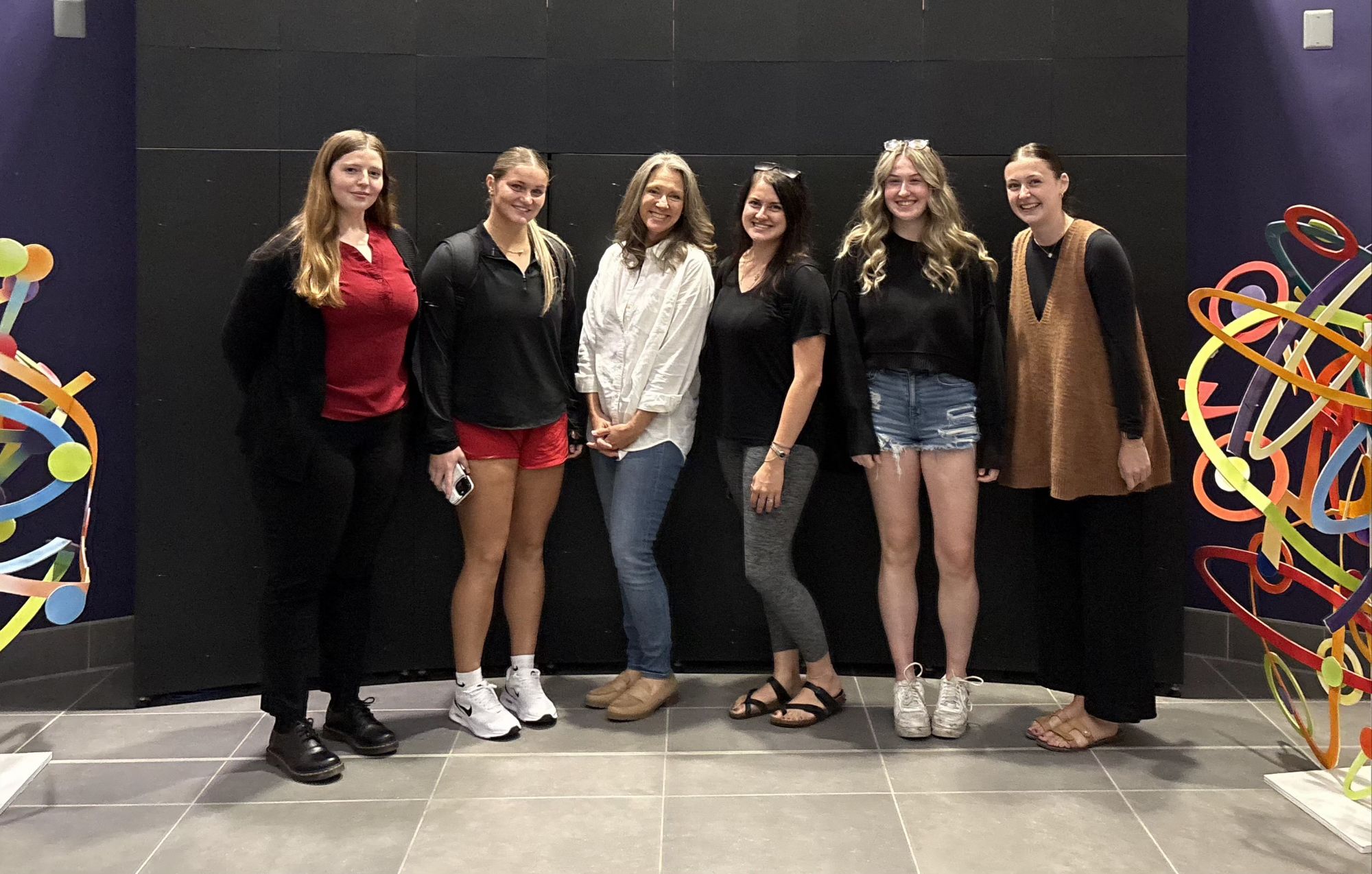
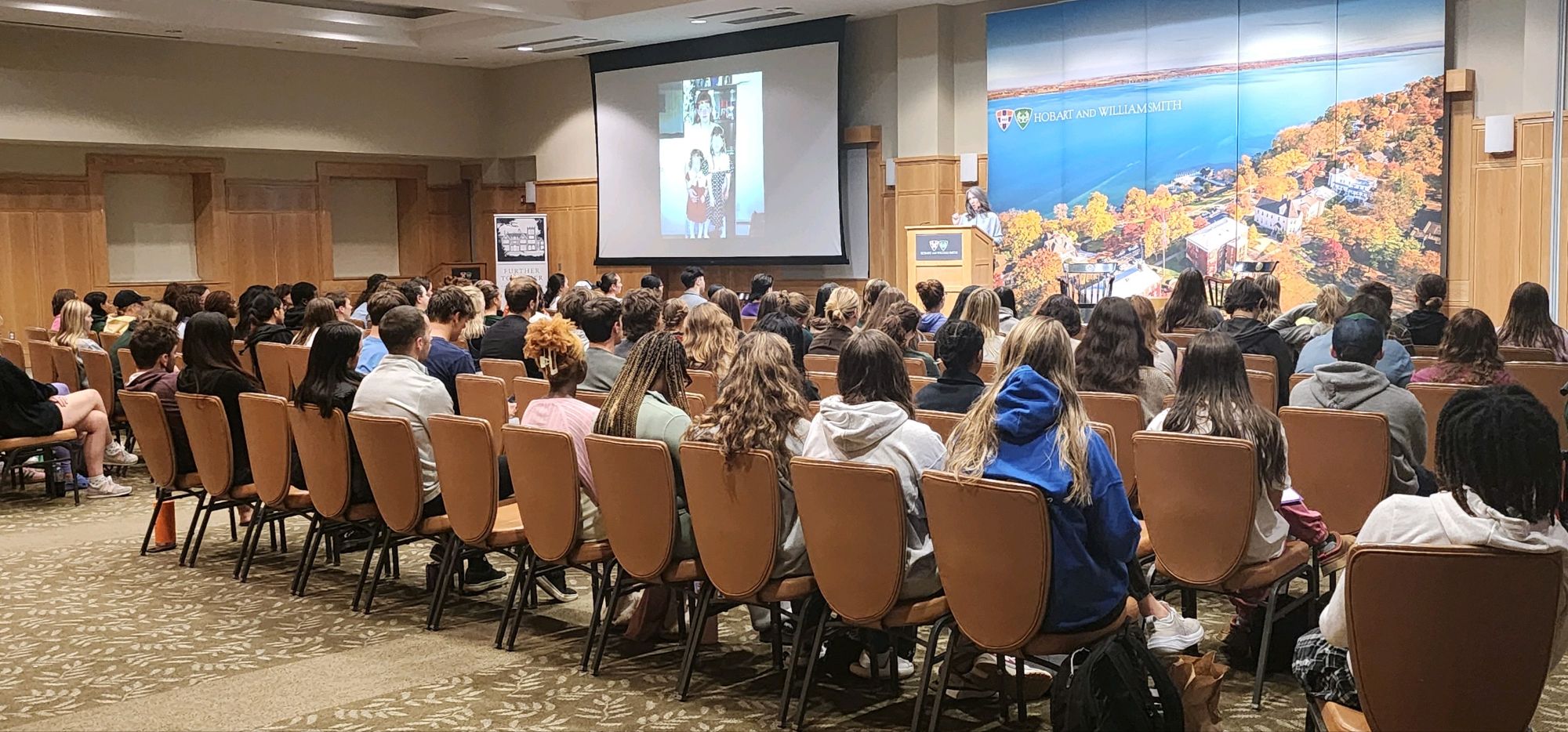
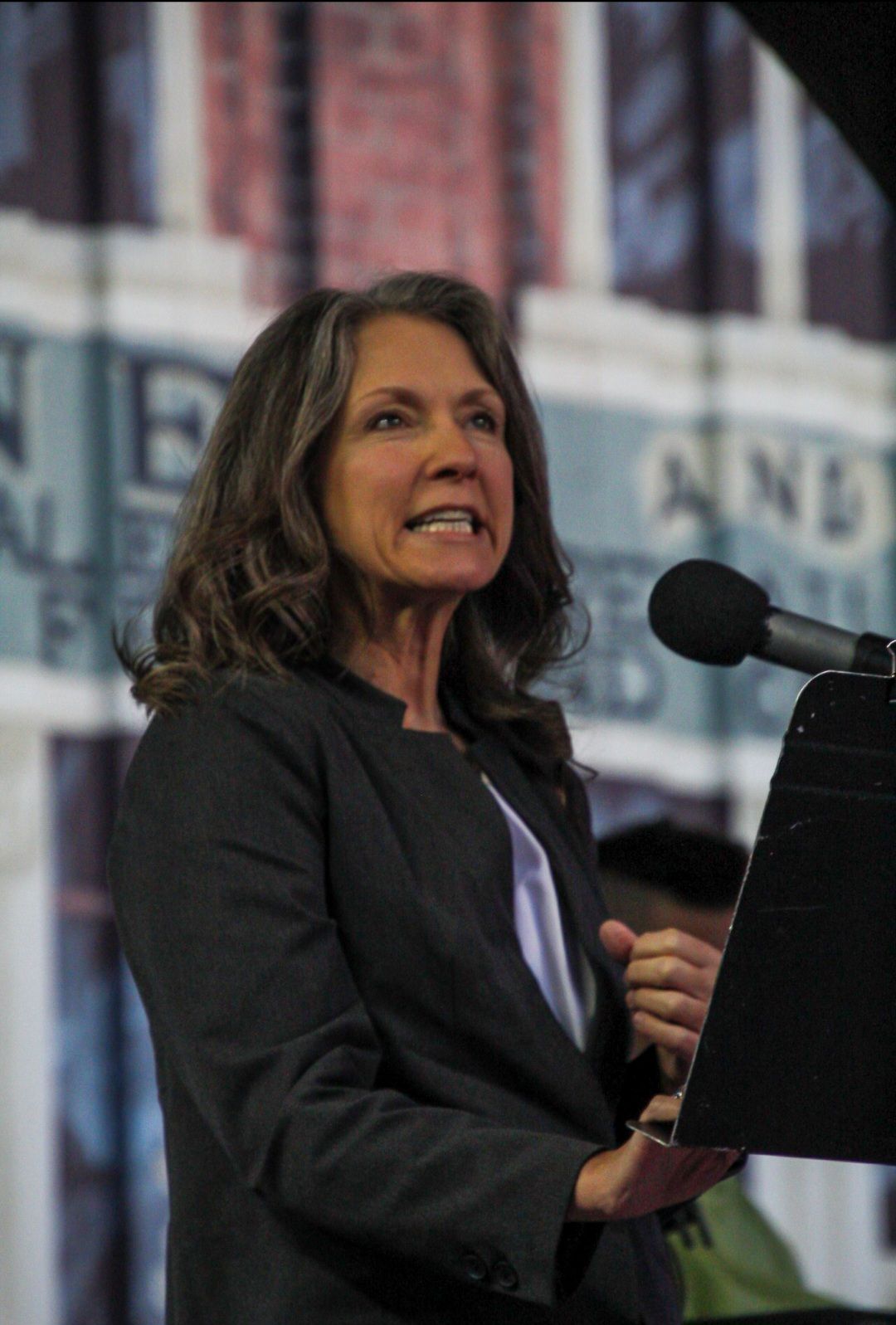
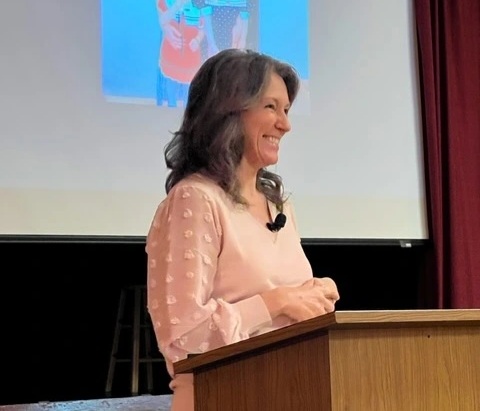
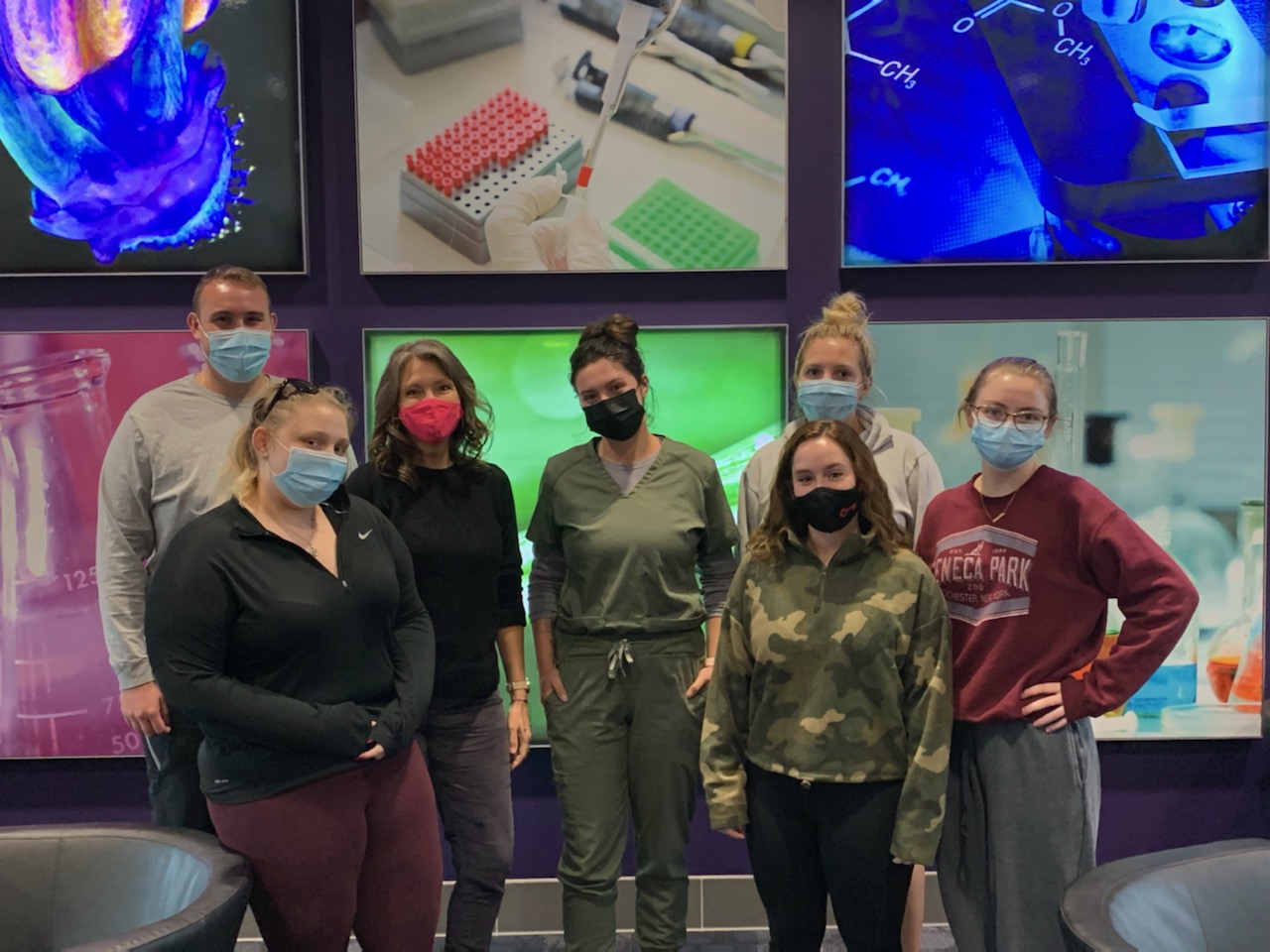
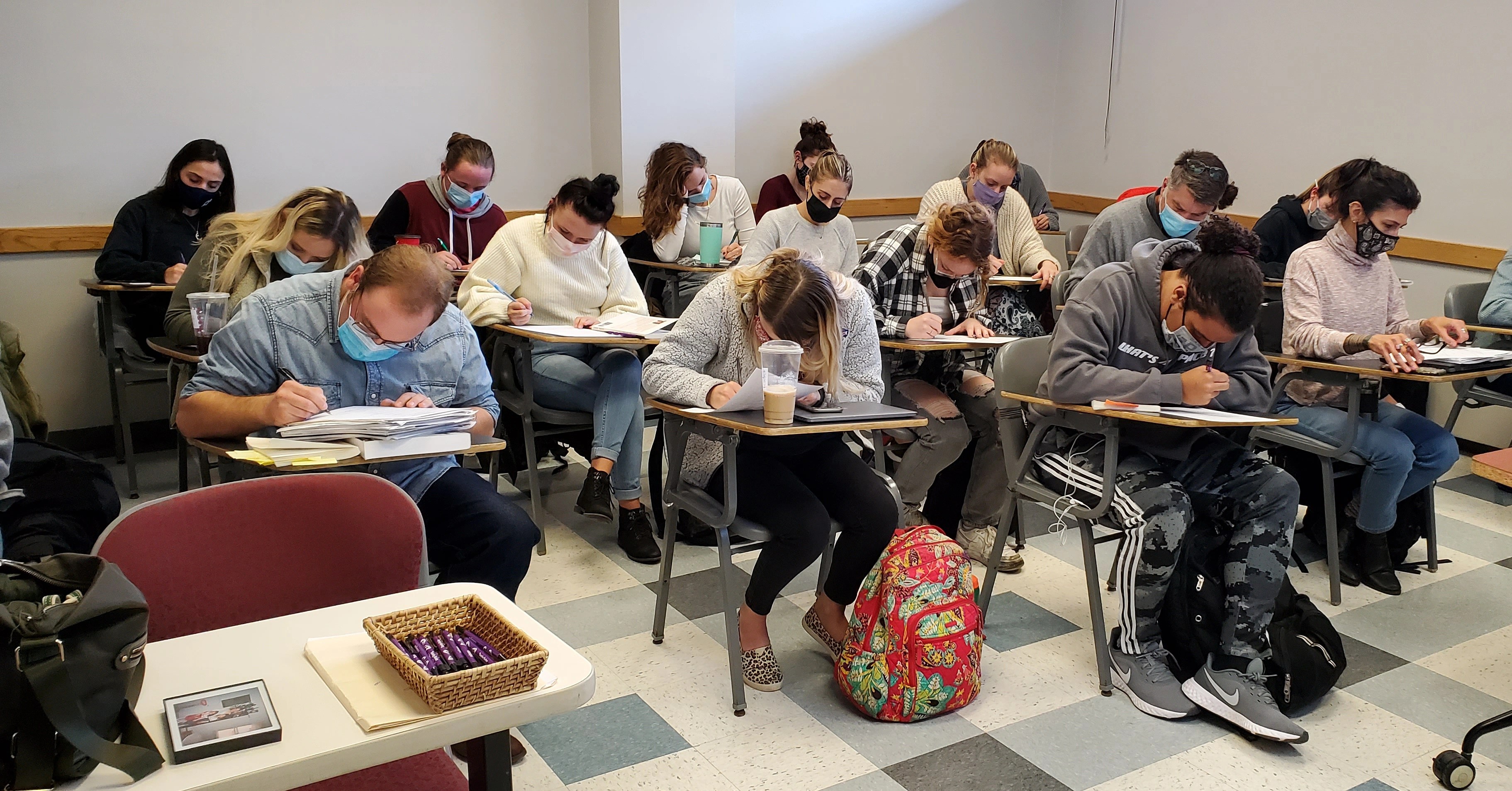
September 18 – Niagara University, Dr. Dana Radatz Criminal Justice Domestic Violence class
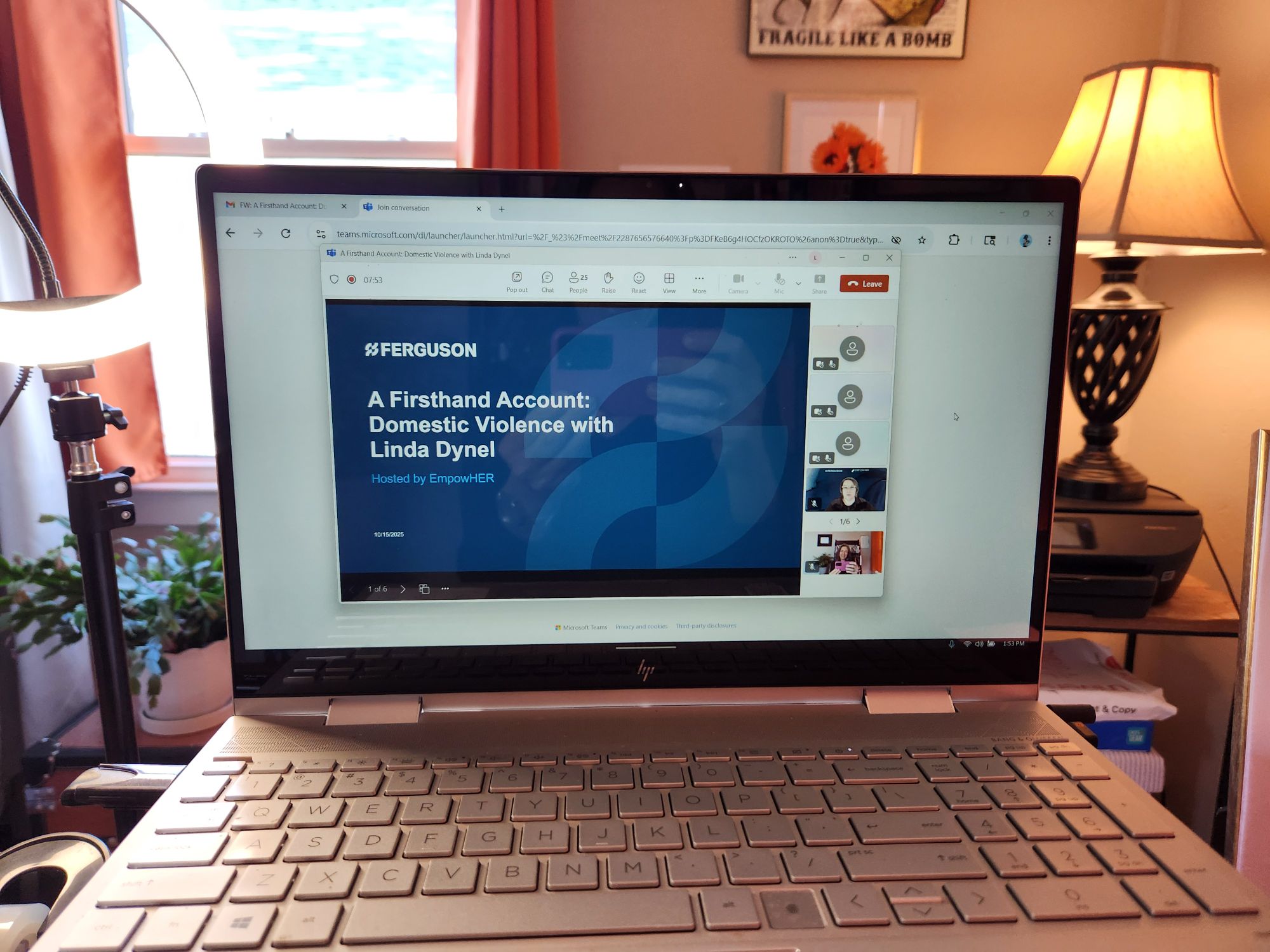
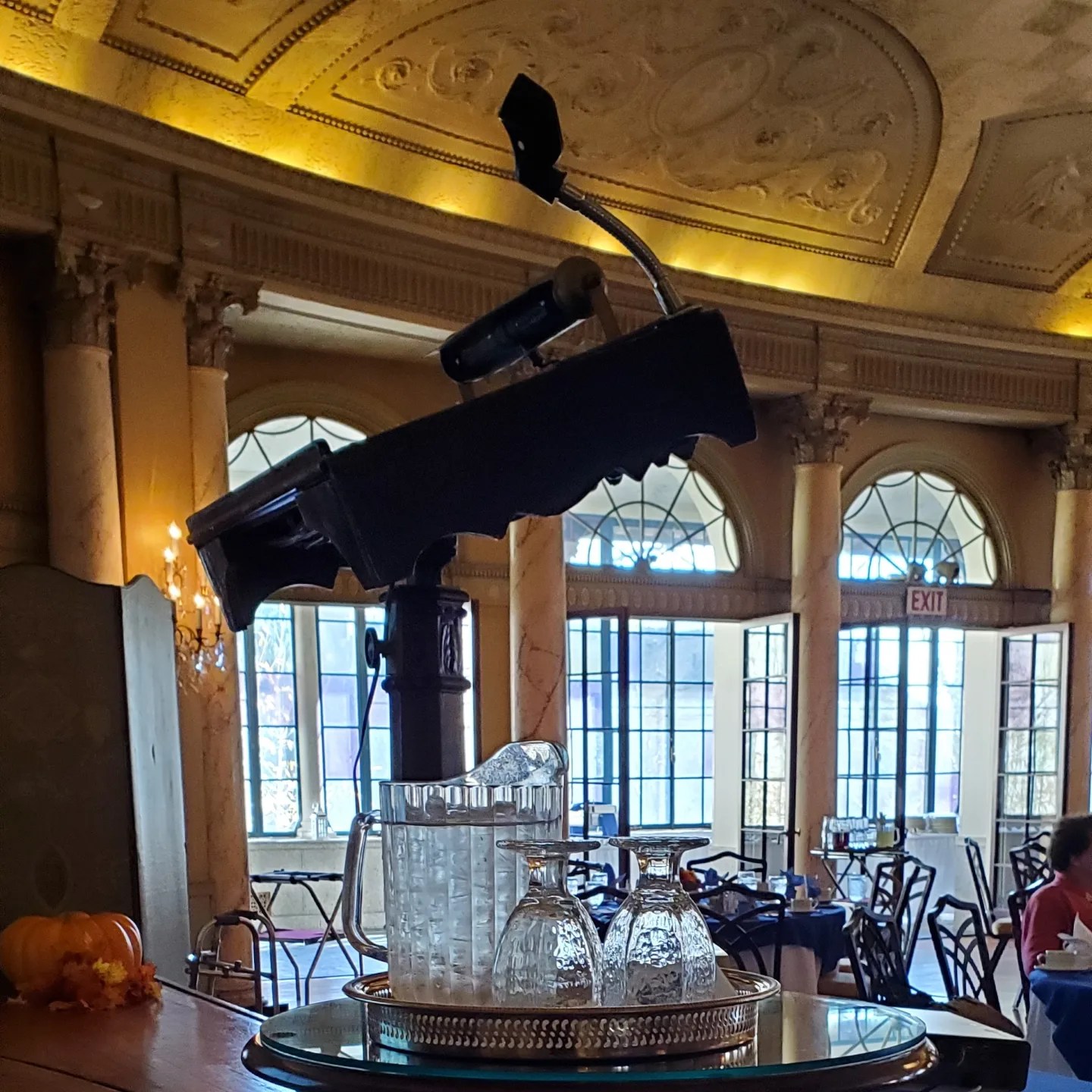
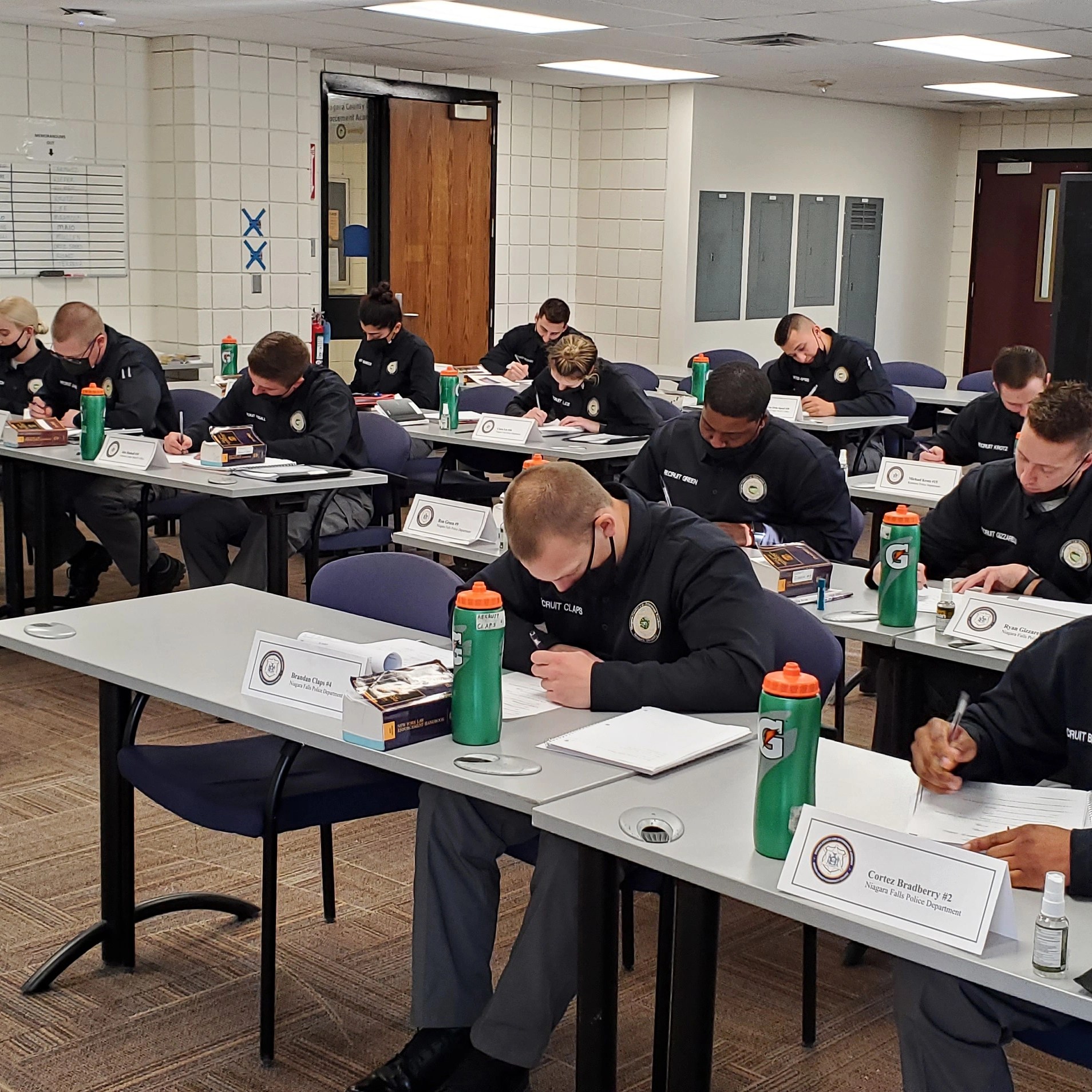
October 15 – Ferguson Home EmpowHER Corporate Training
November 25 – University at Buffalo, Dr. Rob Keefe Theories of Human Behavior & Development class
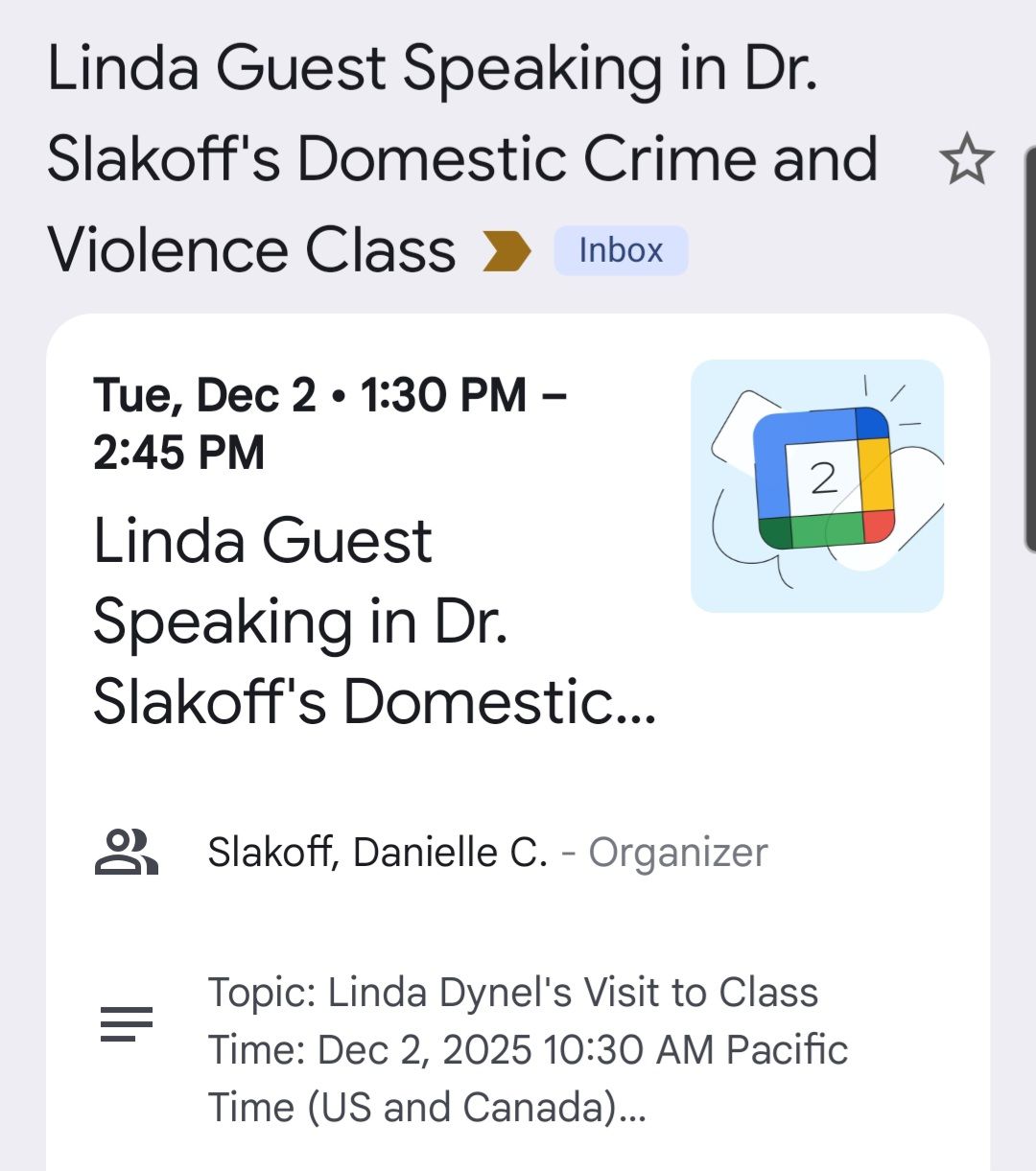
December 3 – CalState University Sacramento, Dr. Danielle Slakoff Domestic Crime & Violence class
Abusers don’t target everyone in their life; this is something that those who work in the field of intimate partner violence know to be true. Friends, family, neighbors and co-workers of an abuser are often times treated with dignity and respect, all while the abuser is systematically and brutally victimizing their intimate partner. And yet more often than not, victims and survivors are faced with shock and denial when they confide stories of abuse. The perpetrator is frequently known to be a nice guy. A good friend. Great at his job. Charming. Friendly. Honest.
O.K. But isn’t it also possible that there’s another version of him; one that only his wife or girlfriend gets to see?
Let me tell you a story: The year was 2000. I was working as a shift manager at a Pizza Hut. One of our cooks was a college kid who was doing an internship at a local elementary school. He frequently talked about it while he worked, and always had a new tale to tell. The stories mostly involved the teacher he’d been assigned to work with. Recently divorced, the teacher had two small daughters and spared no detail about what his crazy ex-wife was putting them all through. The abuse. The lies. The squandering of resources. His ex was a shameless alcoholic; a whore who had what amounted to a revolving door on her bedroom. More than once, The Kid expressed how sorry he felt for the guy. I listened for weeks, saying nothing. Then one afternoon, after a particularly cringe-worthy accounting, I decided to speak up.
“Has this guy ever mentioned his daughters’ names?” I asked.
“Yeah,” he replied, while sweeping a bit of mozzarella cheese out from under the make-table. “Anna Claire and Grace.”
The cook that was working the line froze. The girl that was on cash turned around; her mouth hung open in disbelief. “Do you know what my daughter’s names are?” I asked calmly. He’d felt the vibe in the kitchen shift and was suddenly standing very still, broom poised mid-sweep. When he shook his head no, I replied, “Anna Claire and Grace.”
The conversation that followed was a difficult one. The Kid was the only one on crew who hadn’t been privy to what I’d been through with Dorian. Because of this, he was unaware that Pizza Hut had sheltered me when I’d run away from home with my daughters. He didn’t know that the management team had made sure that I was still able to work while I lived in hiding, giving me an assumed name and putting together a safety plan at a unit miles away from where I’d lived.
The reality was that the company was still sheltering me. Because Dorian had been aggressive with me immediately following the divorce, there were still safety concerns. It had been decided that I would work at yet another unit a few days a week, in order to keep Dorian guessing. If he never knew where I was, it would be harder for him to continue to stalk and harass me.
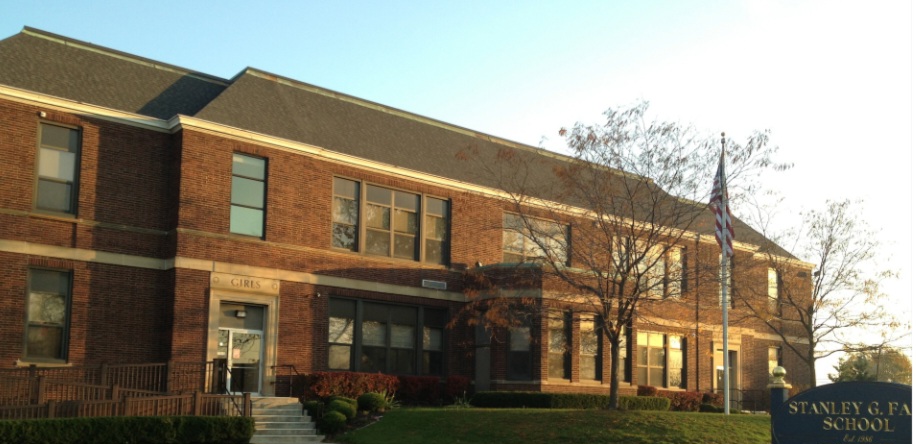
When The Kid apologized, I told him not to worry about it; there was no way he could have known that Dorian was talking about me. When he asked if he ought to mention to his professor that a guy like Dorian was working with special needs kids, I told him to follow his heart. I honestly didn’t think that anyone would care. Not at a standard, run of the mill school; not at The Stanley G. Falk School, which is run by Erie County Child and Family Services. I was accustomed to skepticism surrounding my accounts of abuse; of people believing Dorian when he lied and said that I had been – and still was – the real problem.
I don’t know if The Kid ever alerted his professor, but I can tell you that Dorian continued to work at The Falk School for several more years. While I cannot say for certain whether or not he gossiped about me to any of his other co-workers, it’s probably safe to say that anyone who worked with him would have thought that I was an absolute monster. Perhaps I would have thought the same, if I’d been in their position. Because honestly, why would someone who was so seemingly dedicated to children lie about such things?
It’s always during this time of year that I urge my readers to take a moment to consider the language they might use should someone close to them disclose that they’re being abused. My advice is always to let victims and survivors know that we believe them; that what happened to them is not their fault and that there is help available. This month, though, I’m also asking you to take careful stock the next time you hear someone talking about his “crazy” ex-partner. Even if you know that guy to be a nice person. Even if he’s highly educated or works in a helping profession. Even if you think you know him, inside and out. I’m also asking you to question whether or not his ex-partner is truly “crazy”, or if there’s a chance that she’s simply reacting in a way that’s completely normal for someone who’s being abused. I’m asking you to do something that’s not commonplace, though it should be: to err on the side of caution, and believe the victim.















 Linda Dynel